Building Your First Esports Team: A Beginner's Guide to Competitive Gaming Success
The roar of the crowd, the tension of clutch plays, the glory of hoisting a championship trophy – for countless gamers, the dream of becoming an esports professional burns bright. But while individual skill can take you far in solo queue, the true essence of competitive gaming, especially at higher levels, lies in teamwork. Building an esports team isn't just about finding four other skilled players; it's about forging a cohesive unit, a well-oiled machine capable of synchronized brilliance. If you've ever dreamt of stepping beyond casual play and into the thrilling world of organized esports, this comprehensive guide from GameHub is your starting line.
The journey from aspiring player to team captain might seem daunting, filled with questions about recruitment, strategy, and commitment. Where do you even begin? What qualities should you look for in teammates? How do you practice effectively? Fear not, future esports leader! We'll break down the entire process, offering actionable tips, real-world examples, and expert insights to help you lay a solid foundation for your very own competitive gaming squad.
The Esports Dream: Why Start a Team?
Before diving into the nitty-gritty of team creation, let's explore the compelling reasons why forming an esports team is a game-changer for your competitive aspirations.
Beyond Solo Queue: The Appeal of Team Play
For many gamers, the solo queue experience can be a mixed bag. Random teammates, inconsistent communication, and a lack of coordinated strategy often lead to frustration. Building your own team eliminates these variables, allowing you to cultivate a consistent environment where you can:
- Develop Deeper Strategies: Execute complex plays and counter-strategies that require perfect timing and communication.
- Foster True Synergy: Learn each other's playstyles, strengths, and weaknesses, leading to seamless coordination.
- Improve Consistently: Engage in structured practice and review sessions, identifying and rectifying individual and team errors together.
- Share the Journey: Experience the highs and lows of competitive gaming with a dedicated group, forging lasting friendships and memories.
This shared experience is not only more rewarding but also a far more effective way to climb the competitive ladder in games like League of Legends, Dota 2, Valorant, CS:GO, Overwatch, or Rocket League, where individual brilliance is amplified by collective effort.
The Growth of Esports: A Golden Opportunity
Esports is no longer a niche hobby; it's a global phenomenon. Industry reports indicate that the global esports market was valued at over $1.38 billion in 2022 and is projected to reach over $1.86 billion by 2025, attracting millions of viewers and significant investments. This rapid expansion means more tournaments, bigger prize pools, and increased opportunities for aspiring professionals. Even at the amateur and semi-professional levels, the competitive scene is thriving, offering structured leagues and events where new teams can cut their teeth.
Starting a team now means you're entering a dynamic and growing ecosystem, where dedication and talent can truly pave the way for a remarkable career or at least an incredibly fulfilling hobby. It’s an exciting time to be a competitive gamer, and forming a team is your gateway to this vibrant world.

Laying the Foundation: Before You Recruit
Every great structure needs a solid foundation. Before you even think about recruiting, you need to define what kind of team you want to build and what you bring to the table.
Define Your Game and Vision
The first and most crucial step is to pick your game. While some professional organizations field teams across multiple titles, your beginner team should focus on one game where you and your prospective teammates excel and are passionate about. Do you want to conquer the Summoner's Rift in League of Legends, master tactical gunplay in Valorant, or dominate the arena in Rocket League?
Once your game is chosen, articulate your vision for the team. Ask yourself:
- What are our goals? (e.g., Reach Diamond rank, win a local tournament, qualify for a semi-pro league).
- What is our philosophy? (e.g., Dedication to improvement, focus on fun, strategic mastery).
- How committed do we expect members to be? (e.g., Casual fun, serious practice, professional aspirations).
Having a clear vision will guide your recruitment process and help you attract like-minded individuals. Write it down – a team manifesto, even a simple one, can be incredibly powerful.
Self-Assessment: Your Role and Commitment
Before you lead others, understand yourself. What role do you naturally gravitate towards in your chosen game? Are you a shotcaller, a damage dealer, a support player, or a tactician? Be honest about your strengths and weaknesses. This self-awareness will help you identify what roles you need to fill in your roster.
Equally important is assessing your own commitment level. Building and leading an esports team is a significant time investment. You'll be responsible for organizing practices, mediating discussions, and often being the primary motivator. Ensure you have the time, dedication, and emotional resilience to take on this leadership role.
Understanding the Commitment
Esports success isn't built overnight. It requires consistent effort, patience, and a willingness to learn. Be prepared for:
- Regular Practice: This isn't just playing ranked games; it's structured scrims, VOD reviews, and strategizing sessions.
- Personal Improvement: Beyond team practice, individual players need to dedicate time to mechanics, theory crafting, and maintaining physical and mental health.
- Sacrifice: Sometimes, social outings or other hobbies might need to take a backseat.
- Handling Pressure: Competitive environments are intense. Learning to perform under pressure is key.
Communicate these expectations clearly to potential recruits from the outset. Transparency is vital for building a stable and committed team.
Scouting Talent: Finding Your Teammates
This is arguably the most critical phase. Your team is only as strong as its weakest link, but more importantly, it's about the collective strength and chemistry. Don't rush this process.
What Makes a Good Teammate?
When searching for players, it's tempting to focus solely on raw mechanical skill. While skill is important, it's far from the only factor. Prioritize these qualities:
- Communication: Clear, concise, and effective communication is the bedrock of any successful esports team. Players must be able to call out information, articulate strategies, and give constructive feedback.
- Attitude & Temperament: Look for players who are positive, coachable, resilient, and respectful. Toxic attitudes can quickly dismantle team morale and progress. Humility in victory and grace in defeat are essential.
- Commitment & Reliability: Teammates must be dedicated to showing up for practice, putting in individual effort, and being reliable.
- Role Understanding & Flexibility: Do they understand their role's responsibilities? Are they willing to adapt or learn new strategies?
- Game Knowledge & Mechanics: Of course, strong game sense, map awareness, and mechanical proficiency are still crucial. They should be at a similar skill level to avoid imbalances.
A player with slightly less mechanical skill but exceptional communication and a positive attitude will almost always be a better long-term fit than a highly skilled but toxic individual.
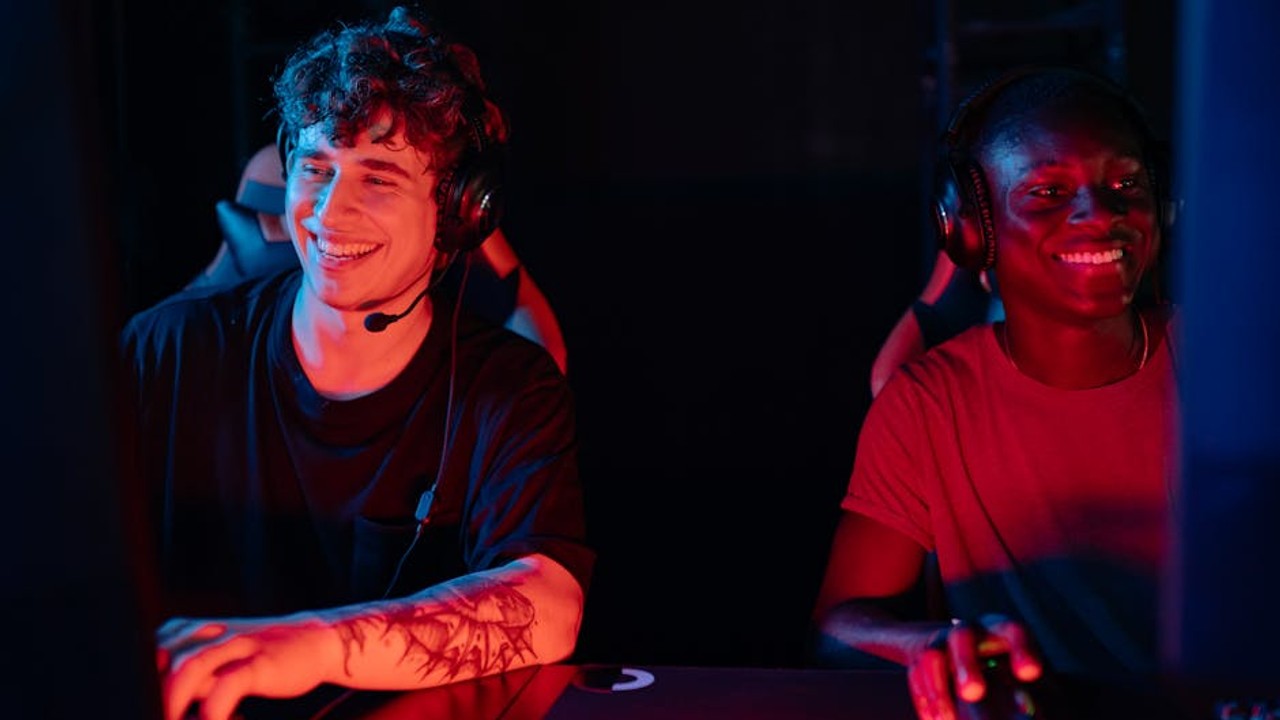
Where to Look for Players
Networking is key. Here are some effective places to find potential teammates:
- In-Game: Pay attention to players you encounter in ranked games. If someone communicates well, plays selflessly, and shows good game sense, send them a friend request.
- Discord Servers: Join official game Discord servers, community servers, and LFG (Looking for Group) channels. Many have dedicated sections for team recruitment.
- Game Forums & Subreddits: Post detailed recruitment messages outlining your team's vision, requirements, and what you offer.
- Local Gaming Communities: Check if there are local LAN centers or gaming cafes that host community events or have bulletin boards.
- Friends & Acquaintances: Sometimes, the best teammates are people you already know and trust, provided they meet the skill and commitment requirements.
When you post recruitment messages, be specific! Include your desired game, roles needed, skill level, practice schedule expectations, and your team's overall philosophy.
The Tryout Process: More Than Just Kills
Once you have a list of candidates, it's time for tryouts. Treat this like a job interview, but in-game. A good tryout process should include:
- Initial Interview (Voice Chat): Start with a casual chat. Discuss their competitive experience, goals, availability, and their approach to teamwork. This helps filter out bad attitudes early.
- Unranked/Casual Games: Play some non-pressure games. Observe their communication, how they interact with others, and their willingness to learn.
- Ranked Games/Scrims: Test them in a more competitive environment. How do they perform under pressure? Do they follow calls? How do they react to mistakes (theirs and others)?
- Post-Game Discussion: After games, discuss strategy, what went well, and what could be improved. This gauges their analytical skills and coachability.
Remember, you're not just looking for individual skill; you're looking for someone who fits your team's culture and complements your existing players. Don't be afraid to try out multiple candidates for the same role.

Building Synergy: Practices, Strategies, and Coaching
You’ve assembled your roster. Now the real work begins: transforming a group of individuals into a synergistic, high-performing team.
Establishing Practice Schedules
Consistency is key. Work with your team to establish a realistic and regular practice schedule. This isn't just about playing games; it's about focused, intentional practice.
- Dedicated Scrims: Play against other teams of similar skill levels. Scrims allow you to test strategies in a competitive, yet consequence-free (in terms of rank) environment. Aim for 2-3 structured scrims per week.
- VOD Review Sessions: Record your scrims and competitive matches. As a team, watch them back and analyze plays. Identify mistakes, discuss alternative strategies, and pinpoint areas for improvement. This is where significant learning happens.
- Drills & Mechanics: Dedicate time to individual or team drills to sharpen mechanics, learn specific game timings, or practice particular setups (e.g., specific grenade lineups in CS:GO, engage combos in LoL).
Use shared calendars (like Google Calendar) to keep everyone informed and accountable for practice times.
Developing Team Strategies and Shotcalling
Every successful esports team has a clear strategic identity. What is your team's default playstyle? Are you aggressive, defensive, objective-focused, or pick-oriented? Discuss and define these strategies collectively.
Effective shotcalling is crucial. Typically, one or two players will take on the primary shotcalling role – guiding the team's actions, making macro decisions, and initiating plays. However, every player needs to contribute information and be ready to make micro-calls in their immediate vicinity. Practice making calls clearly, concisely, and under pressure.
Tip: Start with a few core strategies and master them before expanding your playbook. Overcomplicating things too early can hinder progress.
The Role of Analysis and Review
As mentioned, VOD review is invaluable. But analysis extends beyond that. Discuss patches, meta changes, and opponent strategies. Keep a shared document (Google Docs, Notion) to record strategies, pick/ban phases, and notes from VOD reviews. This builds a collective knowledge base for your team.
Considering a Coach or Manager
While an external coach might be a luxury for a beginner team, having a designated analyst or manager (who might even be a player) can be incredibly beneficial. This person can:
- Organize Logistics: Schedule scrims, manage calendars, and ensure everyone is present.
- Provide Objective Feedback: Watch VODs with an unbiased eye, pointing out blind spots players might miss.
- Handle Conflict: Mediate disagreements and ensure team harmony.
- Scout Opponents: Research opposing teams' strategies and playstyles.
Even if it's a friend who just loves the game and has an analytical mind, a dedicated support role can elevate your team significantly.
The Business of Esports: Managing Your Team
Even at the amateur level, running an esports team involves more than just playing the game. It’s about building an identity, managing expectations, and maintaining morale.
Team Name, Branding, and Social Media
Choose a unique and memorable team name. Consider creating a simple logo or a unified color scheme. This isn't just for aesthetics; it builds team identity and makes you recognizable. Set up basic social media channels (e.g., Twitter, Instagram, YouTube) to share updates, match results, and team content. Even small steps in branding can make your team feel more professional and attract a following.
Finances and Sponsorship (Early Stages)
For a beginner team, financial considerations might be minimal – perhaps just splitting tournament entry fees or buying team jerseys. However, as you progress, you might consider:
- Team Bank Account: For prize winnings, entry fees, or shared expenses.
- Early Sponsorships: While major brand deals are far off, local businesses or smaller gaming accessory companies might be interested in sponsoring promising amateur teams with gear or small monetary contributions in exchange for promotion. Develop a simple media kit that highlights your team's achievements and goals.
Important: Discuss money openly and honestly with your team. Establish clear agreements on how prize money will be split and how expenses will be handled to avoid future conflicts.
Handling Conflict and Maintaining Morale
Conflict is inevitable in any team environment, especially in competitive esports where emotions run high. As a leader, it's crucial to:
- Address Issues Promptly: Don't let disagreements fester. Bring concerns to the table and discuss them maturely.
- Foster Open Communication: Encourage players to express their feelings and feedback constructively.
- Focus on Solutions: Instead of blaming, focus on how to improve and prevent similar issues in the future.
- Maintain a Positive Environment: Celebrate successes, big or small. Encourage team bonding outside of practice. Remember, you're a team, and mutual respect is paramount.
A strong team culture built on trust and respect will be your greatest asset during challenging times.
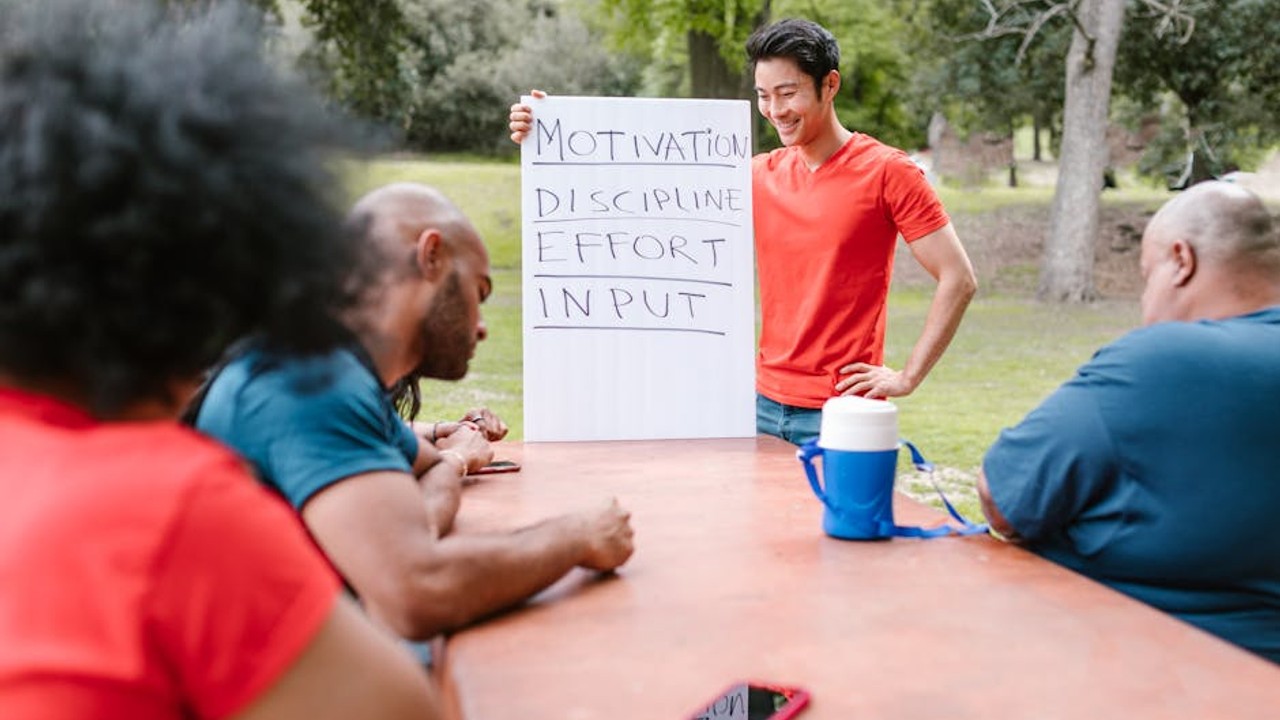
Taking the Plunge: Competing and Growing
You've built your team, practiced relentlessly, and established your identity. Now it's time to put your skills to the test.
Starting Small: Local Tournaments and Online Leagues
Don't aim for the world championship on day one. Start with accessible competitions:
- Online Community Tournaments: Many game communities and platforms host regular, smaller-scale tournaments that are perfect for gaining experience.
- Local LAN Events: If available in your area, local LAN tournaments offer a fantastic opportunity to play in a live setting, meet other players, and gain invaluable experience without the pressure of a major circuit.
- Amateur Leagues: Look for structured online leagues that cater to different skill tiers. These provide consistent competition and a clear progression path.
The goal in these early competitions isn't necessarily to win, but to learn. Observe how other teams play, test your strategies under pressure, and identify areas for improvement.
Learning from Losses: The Path to Improvement
You will lose. Every team does. How you react to losses defines your team's potential. Instead of getting discouraged, treat every defeat as a learning opportunity. Go back to your VODs, discuss what went wrong, and adjust your strategies or individual play. The best teams are those that can consistently adapt and grow from their failures.
Staying Motivated and Having Fun
The path to esports success is long and arduous. There will be plateaus, slumps, and moments of doubt. It's crucial to remember why you started: for the love of the game, the thrill of competition, and the camaraderie of your teammates. Keep the environment positive, celebrate small victories, and ensure that everyone is still enjoying the process. A burnt-out team is a broken team.
Conclusion
Building your first esports team is an exciting and challenging endeavor, demanding dedication, strategic thinking, and strong interpersonal skills. From defining your vision and meticulously scouting talent to establishing rigorous practice routines and managing team dynamics, every step contributes to your collective success. Remember, raw skill is just one piece of the puzzle; true competitive excellence comes from synergy, communication, and an unwavering commitment to improvement, together.
The journey may be tough, but the rewards – the shared victories, the personal growth, and the unbreakable bonds forged in the heat of competition – are immeasurable. So gather your aspiring pros, define your destiny, and prepare to embark on an incredible esports adventure.
Ready to find teammates or explore new games that fit your competitive aspirations? Join the GameHub community today and dive into our expansive Game Library or connect with fellow aspiring pros in our vibrant Community Forums!
Ready to Level Up Your Gaming Experience?
Join the GameHub community and discover your next favorite game!
Explore Games