Finding Local Gaming Tournaments: LAN Venues & Regional
Esports · Open Gaming Now
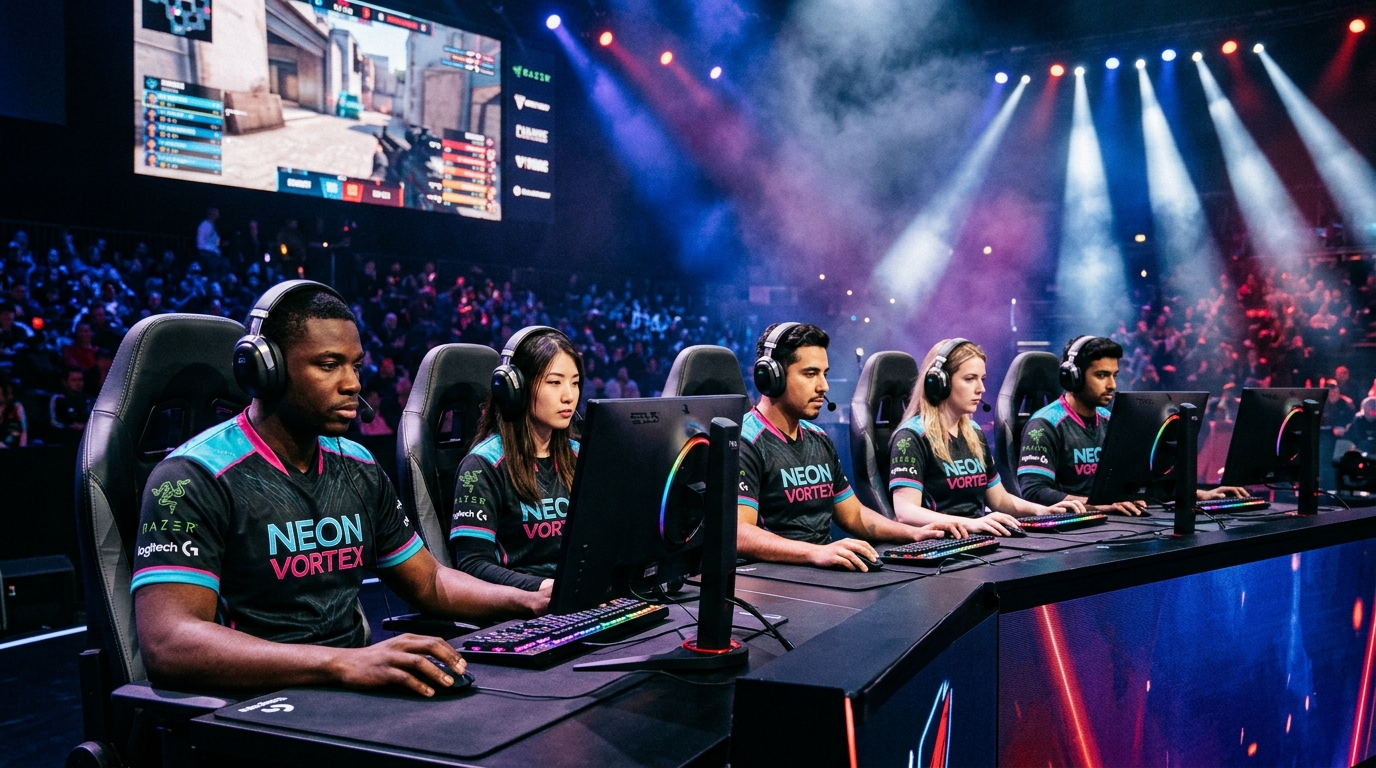
The roar of the crowd, the tension of a clutch play, the thrill of victory – these are the hallmarks of competitive gaming. While professional esports dominates headlines, a vibrant, accessible world of local gaming tournaments thrives in communities everywhere, offering an incredible entry point for gamers of all skill levels. Whether you aspire to go pro, test your skills against local talent, or simply enjoy a day of intense competition and camaraderie, finding local esports events is your first step. At Open Gaming Now, we understand the pulse of the gaming community, and we are here to guide you through the exciting journey of discovering the competitive scene right in your neighborhood.
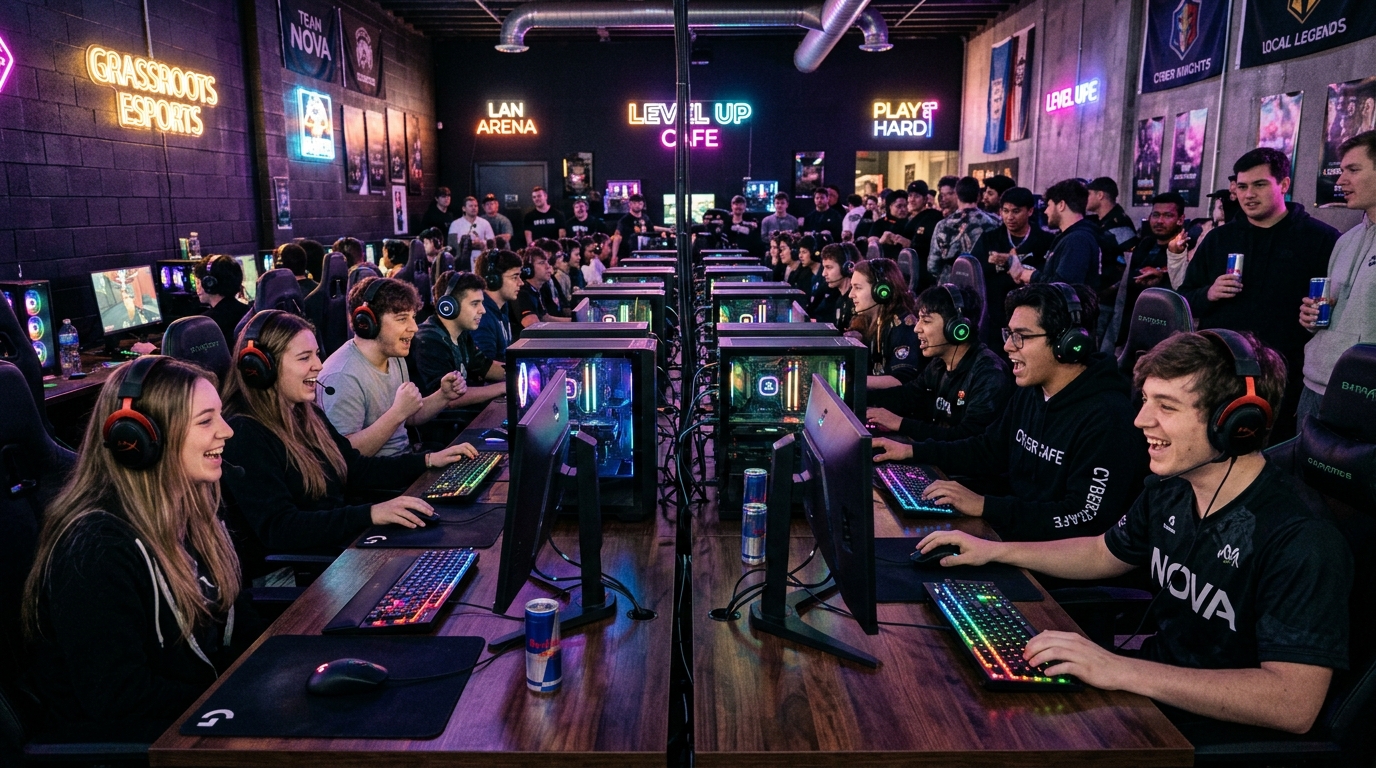
The gaming landscape has exploded over the past decade, transforming from a niche hobby into a global phenomenon. While the allure of multi-million dollar international tournaments is undeniable, the grassroots scene is where true passion ignites. Local tournaments provide a unique blend of competitive challenge, social interaction, and a genuine sense of community. Imagine stepping into an arena, whether it is a dedicated esports lounge or a bustling game store, controller or mouse in hand, ready to prove your prowess in your favorite game. This guide will equip you with all the knowledge, resources, and actionable tips you need to locate, join, and thrive in local gaming tournaments near you.
Why Local Gaming Tournaments Matter
Your Digital Toolkit: Online Resources to Discover Local Events
In our interconnected world, the internet is your most powerful ally in the quest for local gaming tournaments. A wealth of websites, social media groups, and dedicated platforms exist to help you find events tailored to your game and location.
Dedicated Tournament Platforms
Several online platforms specialize in listing and managing gaming tournaments, from massive online leagues to intimate local gatherings. These are often the first place to look:
- Global Tournament Organizers: Websites like Battlefy, Challengermode, and Start.gg (formerly Smash.gg for fighting games) are central hubs for competitive gaming. These platforms allow you to filter tournaments by game, location, date, and even prize pool. For example, on Start.gg, you can simply type in your city or zip code and select your game, instantly pulling up a list of upcoming fighting game events in your area, ranging from small weekly gatherings to larger regional majors. Battlefy and Challengermode offer similar functionalities for a wider range of esports titles, including PC, console, and even mobile games. Take the time to create a profile on these sites; it often streamlines the registration process for events.
- Open Gaming Now’s Own Listings: Keep an eye on Open Gaming Now’s events section! We are continuously expanding our marketplace and community features to include listings for local tournaments and gaming meetups. Our goal is to connect gamers directly with the competitive opportunities around them, so checking our platform regularly can yield fantastic results.
- Publisher-Specific Portals: Some game developers host their own tournament platforms or have dedicated sections on their official websites. For example, Riot Games for League of Legends and Valorant, or Epic Games for Fortnite, often provide resources for community-run events or official grassroots circuits. Always check the official game website for direct links or partnership announcements.
Social Media & Community Forums
Social media platforms are incredibly effective for real-time information and connecting with local gaming communities. Many local organizers rely heavily on these channels to promote their events. Competitive players frequently analyze organizing gaming tournaments to sharpen their tactical fundamentals.
- Facebook Groups: Search for “[Your City/Region] Gaming,” “[Your City/Region] Esports,” or “[Your Game] [Your City/Region]” to find relevant groups. These groups are often managed by local gamers, tournament organizers, or gaming cafes. They are excellent for discovering smaller, more casual events, finding teammates, and staying updated on local gaming news. For instance, a group like “Boston Fighting Game Community” might announce weekly meetups, monthly tournaments, and special events.
- Discord Servers: Discord has become the de facto communication hub for gamers. Many local gaming communities, esports organizations, and even individual gaming cafes run their own Discord servers. Look for links to these servers within Facebook groups, on tournament platform listings, or through local gaming venue websites. Once inside, check dedicated “events” or “tournament” channels. A server for “Midwest Valorant Players” could be your direct line to finding local LANs.
- Reddit Subreddits: Reddit offers a vast network of communities. Look for subreddits dedicated to your specific game’s competitive scene (e.g., r/CompetitiveApex, r/GlobalOffensive), your city or region (e.g., r/NYCgaming, r/Atlantaesports), or general esports (r/esports). Users often post about upcoming local tournaments, seeking players or promoting events they are organizing.
- X (formerly Twitter): Follow local esports organizations, gaming cafes, content creators, and competitive players in your area. Use hashtags like #[YourCity]Esports, #[YourGame]Tournament, or #LocalLAN to discover relevant posts and announcements. Many event organizers will post last-minute updates or registration reminders here.
Local News & Event Websites
Exploring the Real World: Offline Venues and Networks
While online resources are invaluable, nothing beats the tangible experience of visiting local gaming hubs. These physical locations are often the heart of the community and a direct source for tournament information.
Local Gaming Cafes and Esports Arenas
- How to Find Them: A simple Google search for “gaming cafe near me,” “esports lounge [your city],” or “LAN center [your city]” will typically reveal several options. Once you find one, visit their website, check their social media, or, better yet, go in person.
- What to Look For: Most gaming cafes will have dedicated bulletin boards, flyers, or digital displays advertising upcoming tournaments. Speak to the staff; they are often deeply embedded in the local scene and can provide insights into regular events, game nights, and community gatherings.
- Examples: Many cafes host weekly tournaments for popular titles like Valorant, League of Legends, Overwatch 2, CS2, Fortnite, or Rocket League on PC, and Super Smash Bros., Tekken, or Street Fighter on console. Some even offer mobile esports events for games like Mobile Legends: Bang Bang or Clash Royale.
Independent Game Stores
- Connect with Owners: The owners and staff of independent game stores are usually passionate gamers themselves and are well-connected within the local scene. Ask them about upcoming events, community nights, or if they know of other places hosting tournaments.
- Check Bulletin Boards: Like gaming cafes, many game stores feature community bulletin boards where local organizers post flyers for their events.
Community Centers & Libraries
Increasingly, public community centers and libraries are embracing technology and gaming, offering dedicated spaces or regular events. These initiatives often aim to provide safe, accessible spaces for youth and foster digital literacy, making them ideal for family-friendly or beginner-oriented tournaments.
- Explore Local Programs: Check your city’s official website for community center listings or contact your local library. They might have a “teen zone” or “digital lab” that hosts gaming events.
Schools, Colleges, and Universities
Educational institutions are becoming major players in the local esports scene. High school esports leagues are booming, and collegiate esports programs are offering scholarships and dedicated facilities.
- High School Esports: If you are a high school student, inquire about an esports club or team. Many states now have official high school esports associations that organize regular competitions.
- Collegiate Esports: Universities often have robust esports clubs, dedicated gaming rooms, and compete in intercollegiate leagues. Even if you are not a student, these clubs sometimes host open tournaments or community events that outsiders can participate in. Check the university’s student activities website or social media pages.
Local Conventions and Expos
Larger events, such as comic cons, anime conventions, technology expos, or even local pop culture festivals, often include a gaming section. These can feature open tournaments, exhibition matches, or even dedicated esports stages. Understanding current shifts in esports competitive tournaments provides a meaningful edge during high-stakes sessions.
- Monitor Event Calendars: Keep an eye on local event listings for your city or region. Search for “gaming convention [your city],” “tech expo [your city],” or “comic con [your city].”
- Check Schedules: Once you find a relevant event, thoroughly check its schedule for gaming zones, tournament sign-ups, or competitive play opportunities.
Practical Tips for Effective Tournament Discovery
Finding the right tournament takes a bit of strategy. Here are some actionable tips to streamline your search:
Be Specific with Your Searches
Network Actively
Start Small and Grow
Understand Tournament Formats
Before signing up, familiarize yourself with common tournament formats. These include:
- Single Elimination: Lose once, and you are out. High stakes, quick tournament.
- Double Elimination: You get two losses before being eliminated, offering a chance to recover from an early defeat. This is a very common format for many esports.
- Round Robin: Everyone plays everyone else, often seen in league play or smaller group stages.
- Bracket Play: The most common, where players or teams are seeded into a visual bracket.
- Best-of-X: Refers to the number of games played in a match (e.g., best-of-3 means the first player to win two games wins the match).
Knowing the format helps you prepare mentally and strategically.
Check Event Schedules Regularly
Tournament schedules can be dynamic. Organizers plan events weeks or months in advance, but details can change. Make it a habit to check the relevant platforms, social media groups, and venue websites regularly for updates, registration deadlines, and any last-minute changes. Dedicated participants often coordinate through find gaming teammates to maintain long-term competitive consistency.
Preparing for Your Local Tournament Debut
Once you have found a tournament, proper preparation can significantly enhance your experience and performance. It is more than just practicing your game.
Honing Your Skills
Gear Check
Rules & Regulations
Mental Preparation
Logistics
Beyond the Competition: The Benefits of Local Esports Engagement
Participating in local tournaments is not just about competing; it is about immersing yourself in a vibrant culture that offers numerous advantages. For sustained progression, checking regular updates on tournament prize pools helps refine in-game decision making.
Community Building
Skill Enhancement
Potential for Prizes & Recognition
A Stepping Stone
Frequently Asked Questions
The modern pathway begins by achieving top-percentile ranks on public ladders, forming a dedicated five-stack for amateur open qualifiers, competing in regional collegiate or Tier-3 circuits, and compiling verified VOD clips for scout reviews.
Solo queue grinding often reinforces unconscious mistakes through repetitive autopilot play. A certified coach analyzes replays to uncover systemic positioning flaws, rotational inefficiencies, and macro communication deficits that numbers-based stats alone cannot convey.
Consistent scheduling, designated role specializations, established callout protocols, and structured post-scrim review sessions. Teams that separate emotional frustration from objective tactical analysis develop superior resilience during tournament elimination brackets.
Prize distribution formulas typically award 40% to 50% to the champion team, tapering down across the top 8 or 16 finishers. Organizations often establish player contracts detailing whether prize earnings are split directly among the roster or offset operational expenses.