Dota 2 vs League of Legends: The Ultimate MOBA Showdown &
MOBA Strategy · Open Gaming Now
Welcome, fellow gamers, to the arena where legends are forged and ancient rivalries persist! For over a decade, two titans have dominated the Multiplayer Online Battle Arena (MOBA) genre: Valve’s Dota 2 and Riot Games’ League of Legends. These aren’t just games; they’re global phenomena, esports juggernauts, and the source of countless hours of thrilling gameplay, nail-biting finishes, and, let’s be honest, a fair bit of friendly (& not-so-friendly) banter.
In 2024, both games continue to evolve, introduce fresh mechanics, and captivate millions worldwide. But for newcomers, or even seasoned players considering a leap of faith from one to the other, the choice can be daunting. Which one offers the strategic depth you crave? Which community will welcome you? And which learning curve are you prepared to conquer?
core gameplay philosophy: a tale of two design schools
dota 2: deep mechanics, high stakes
- Punishing Mechanics: Expect things like “denial,” where you can last-hit your own dying creeps or even towers to prevent the enemy from gaining gold and experience. This adds a layer of micro-management and resource deprivation unique to Dota 2.
- Player Control: The ability to “buyback” into the game after dying at the cost of significant gold (and a cooldown) adds a high-stakes strategic element to the late game. Managing your courier (a unit that delivers items to you anywhere on the map) and interacting with environmental features like tree-cutting further emphasize player agency.
- Complex Interactions: Many hero abilities and items have unique interactions that can drastically change the outcome of fights. There’s a high emphasis on “active items” – items that aren’t just stats but have powerful abilities that must be used strategically.
- Steeper Learning Curve: All these mechanics contribute to a famously steep learning curve. While challenging, mastering these systems offers an incredibly rewarding sense of accomplishment and strategic depth.
league of legends: accessible action, strategic nuance
- Streamlined Mechanics: There’s no creep denial (outside of some very specific champion abilities), no courier management, and no buyback mechanic. The focus is more on successful last-hitting of enemy minions and securing kills.
- Emphasis on Individual Skill: LoL shines in moments of individual outplay, where a player’s mechanical skill with a champion’s abilities (often “skill shots” that require precise aiming) can dominate a lane or a teamfight.
- Defined Roles: Champions typically fit into very clear roles (e.g., Top Lane Tank, Mid Lane Mage, Jungle Assassin, Bot Lane Marksman, Support), which provides a more structured approach to team composition and strategy.
- Smoother Learning Curve: The simplified core mechanics mean that new players can get into the action faster. The game focuses more on learning champion kits, understanding lane matchups, and executing teamfight strategies rather than managing a host of economy-altering systems.
Example: A League of Legends player might perfectly land a series of skill shots to “combo” an enemy champion, securing a kill and gaining a gold advantage, then rotate with their jungler to secure an elemental dragon buff for their team, demonstrating a blend of mechanical prowess and objective control. Competitive players frequently analyze Dota 2 competitive to sharpen their tactical fundamentals.
heroes vs. champions: rosters of distinction
The playable characters are the heart and soul of any MOBA. Both games boast extensive rosters, but their availability, design philosophy, and role definitions vary significantly.
dota 2 – heroes: unique, powerful, and free
- Complex Kits: Dota 2 heroes often have multi-stage abilities, intricate passives, and unique mechanics that can dramatically alter gameplay. Examples include Invoker, who has 10 spells derived from combining three elemental orbs, or Rubick, who can steal the last spell cast by an enemy hero.
- Fluid Roles: While heroes can typically be categorized (carry, support, offlaner, mid), many have flexible build paths and can adapt their role based on the game’s needs. A support hero might transition into a secondary core, or a core might buy utility items typically associated with supports.
- Impactful Ultimates: Ultimate abilities in Dota 2 are often game-changing, with long cooldowns and immense power, requiring precise timing and execution.
Statistic: As of early 2024, Dota 2 features 124 unique heroes, all available for free, a core tenet of its free-to-play model.
league of legends – champions: varied, role-specific, and unlocking
- Specialized Kits: LoL champions typically have a more focused set of abilities (three basic abilities, one ultimate, and one passive). While simpler on paper than many Dota 2 heroes, the synergy between these abilities, along with summoning spells and runes, creates incredible depth.
- Defined Roles: Champions are usually designed with a specific lane or jungle role in mind (e.g., “ADC” for Attack Damage Carry, “Support”). This creates a clearer meta and team composition strategy.
- Skill Shot Reliance: Many LoL champions heavily rely on “skill shots” – abilities that require manual aim and can be dodged, emphasizing mechanical precision.
- Champion Unlock System: The system of unlocking champions means players often specialize in a smaller pool initially, gradually expanding their repertoire. This can ease the learning process but also presents a financial or time investment barrier to trying new characters.
Statistic: With over 160 champions, League of Legends frequently releases new ones, keeping the meta fresh and offering immense variety. However, unlocking them all requires significant playtime or monetary investment.
the battlefield: maps and objectives
While both games feature a three-lane map with a jungle area, the subtle differences in their layouts and core objectives create distinct strategic experiences.
dota 2 – ancient vs. ancient: the dire and radiant
The Dota 2 map is known for its asymmetrical design, subtle terrain differences between the Radiant and Dire sides, and a wealth of interactive elements.
- Asymmetrical Map: While mirrored in concept, the terrain layout, jungle camps, and pathing are not identical, providing slight strategic advantages and disadvantages depending on which side you play.
- Neutral Objectives:
- Roshan: A powerful neutral boss whose defeat grants the Aegis of the Immortal (a one-time revive) and, on subsequent defeats, a Cheese (massive heal) or a Refresher Shard (resets all cooldowns).
- Outposts: Control points that grant vision and experience periodically.
- Tormentors: Mini-bosses that grant Aghanim’s Shard upgrades to heroes.
- Lotus Pool: A location that spawns health/mana regeneration items.
- Terrain Manipulation: High ground provides vision advantages, and trees can be destroyed (or grown) to create new paths, block vision, or trap enemies.
- Secret Shop: Certain powerful items can only be completed by purchasing components from hidden “Secret Shops” located in the jungle, requiring players to venture out of lanes.
league of legends – summoner’s rift: lanes, jungle, and dragons
League of Legends features “Summoner’s Rift,” a visually symmetrical map with distinct objectives that shape team strategies throughout the game. Understanding current shifts in competitive LoL meta provides a meaningful edge during high-stakes sessions.
- Symmetrical Design: The map is largely mirrored, ensuring a fair starting point for both sides. The key differentiator comes from objectives.
- Neutral Objectives:
- Dragons: Elemental Dragons (Infernal, Mountain, Ocean, Cloud, Hextech, Chemtech) provide permanent team-wide buffs. Securing four dragons grants a powerful “Dragon Soul.”
- Baron Nashor: A mighty neutral boss whose defeat grants the “Hand of Baron” buff, significantly empowering minions and champions for a limited time, crucial for pushing towers.
- Rift Herald: A mid-game objective that drops an “Eye of the Herald” – a summonable unit that charges towers, dealing massive damage.
- Brush and Vision: Tall grass patches (“brush”) provide stealth and ambush opportunities, making vision control (via wards) a critical component of gameplay.
- Jungle Camps: Jungle monsters provide gold and experience, with specific camps offering temporary buffs (Red Buff for damage/slow, Blue Buff for mana regeneration/cooldown reduction).
itemization and economy: building your power spike
How players acquire power through items and manage their gold is another significant differentiator.
dota 2 – deep dive into the shop
Dota 2‘s item system is incredibly deep, with a focus on active abilities and situational utility. The economy is complex, with multiple gold sources and sinks.
- Active Items are Key: Many of the most impactful items in Dota 2 have active abilities (e.g., Blink Dagger for instant teleportation, Force Staff for a shove). Mastering item hotkeys and timely activation is crucial.
- Recipe System: Items are often built from multiple components and a “recipe,” which itself costs gold. This means players often invest in a recipe before having all components, affecting their power curve.
- Gold Types and Buyback: Dota 2 distinguishes between “reliable gold” (earned from towers, Roshan, hero kills) and “unreliable gold” (creep last hits, jungle). Unreliable gold is lost upon death. The “buyback” mechanic allows a dead player to instantly respawn at base for a hefty gold cost (only reliable gold, plus a cooldown), adding immense strategic depth to late-game teamfights.
league of legends – strategic item paths
learning curve and accessibility
dota 2: a steep climb, a rewarding view
league of legends: easier to pick up, hard to master
Tip for New League of Legends Players: Start with easy-to-play champions in each role (e.g., Garen Top, Annie Mid, Ashe ADC, Lux Support). Focus on learning your chosen role’s objective (e.g., farming for ADC, setting up kills for Support) and understanding the neutral objectives like Dragons and Baron. Dedicated participants often coordinate through competitive skill progression to maintain long-term competitive consistency.
community and esports scene
dota 2: the international and dedicated fans
league of legends: worlds and global dominance
graphics, aesthetics, and performance
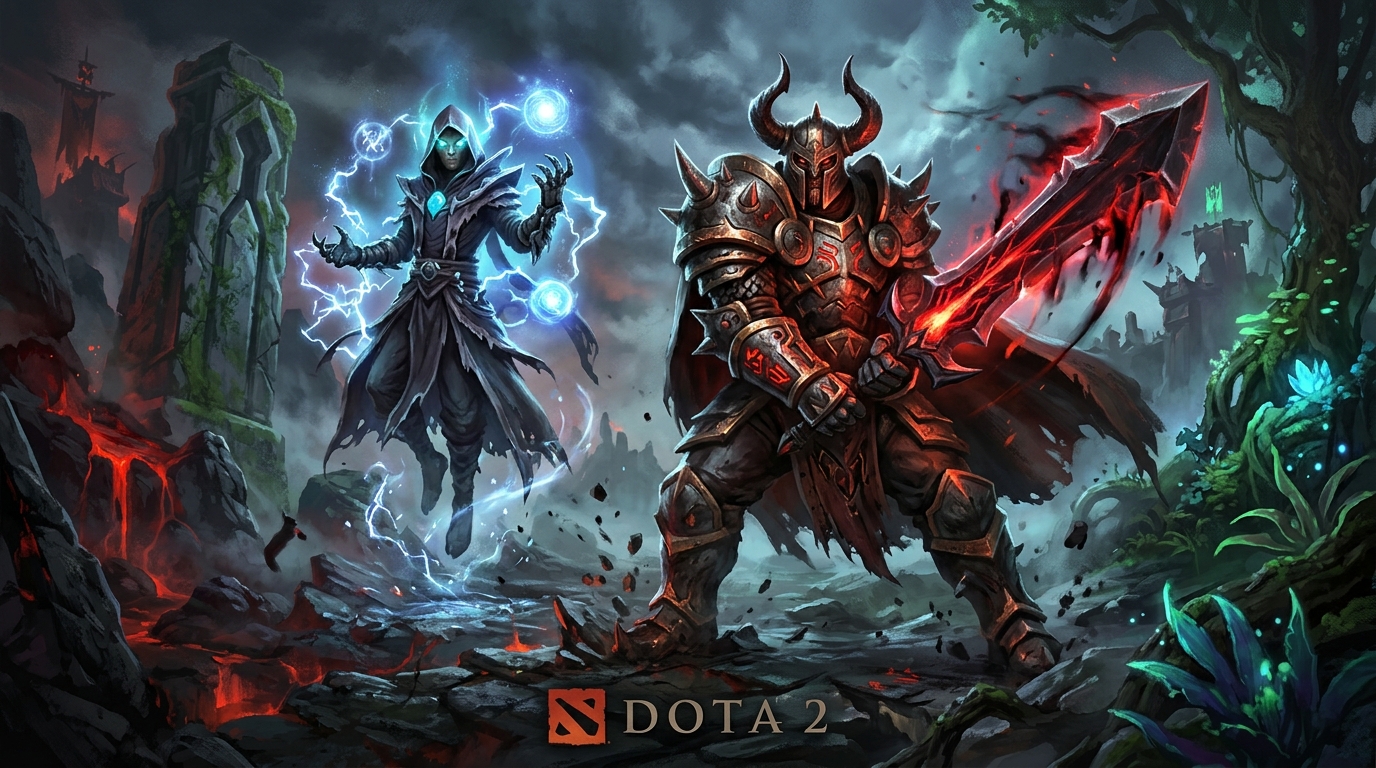
dota 2: darker fantasy, detailed models
league of legends: vibrant, stylized, and accessible
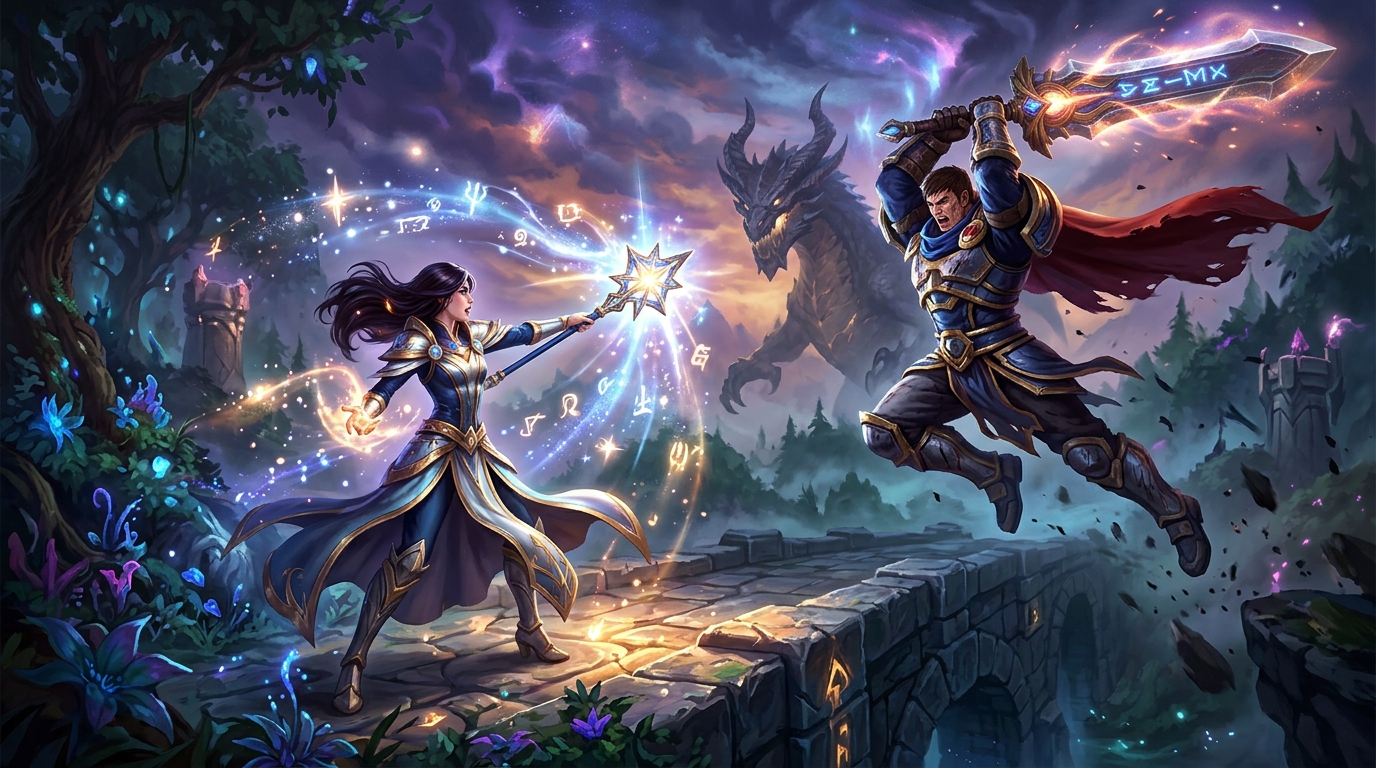
League of Legends utilizes a more vibrant, stylized, and cartoonish art style, designed for clarity and broader hardware compatibility. For sustained progression, checking regular updates on featured multiplayer games helps refine in-game decision making.
which moba is right for you? actionable advice
Choose Dota 2 if you:
- Thrive on deep, complex mechanics and strategic thinking over raw mechanical speed.
- Enjoy a steep learning curve that promises immense rewards upon mastery.
- Prefer a game where all characters are available from the start, encouraging experimentation.
- Appreciate high-stakes gameplay with punishing mechanics like denial and buyback.
- Are drawn to a darker, more realistic fantasy aesthetic.
- Want to be part of a community that celebrates intricate plays and tactical brilliance.
Choose League of Legends if you:
- Prefer a more accessible entry point into the MOBA genre.
- Enjoy fast-paced action and emphasize individual mechanical skill and precise ability execution (skill shots).
- Like clearly defined roles and a more structured approach to team composition.
- Are captivated by a vibrant, stylized art style and diverse character designs.
- Don’t mind unlocking champions over time or spending money to accelerate the process.
Frequently Asked Questions
Dota 2 features turn rates, lane creeps denying, courier micromanagement, and complex high-ground vision mechanics, resulting in higher micro-complexity. League of Legends emphasizes fast skillshots, rapid cooldown cycling, twitch reflexes, and streamlined objective rotations around dragons and Baron Nashor.
Developing a functional champion/hero pool (3-4 characters) and understanding lane wave states typically requires 50 to 80 matches. Reaching intermediate ranked competence usually takes several months of deliberate practice focused on minimap awareness and gold efficiency.
Wave management frequently dictates match outcomes more than raw eliminations. Freezing waves near your tower starves enemy laners of gold and creates gank openings, while crashing slow-pushed waves guarantees uncontested objective takes and turret plating.
Both titles run well on mainstream desktop setups. The most impactful upgrades are a high-polling optical mouse with responsive microswitches and a 144Hz+ monitor to track fast team-fight particle effects clearly without visual stutter.