Esports Career Guide: How to Go Pro in Gaming
Esports · Open Gaming Now
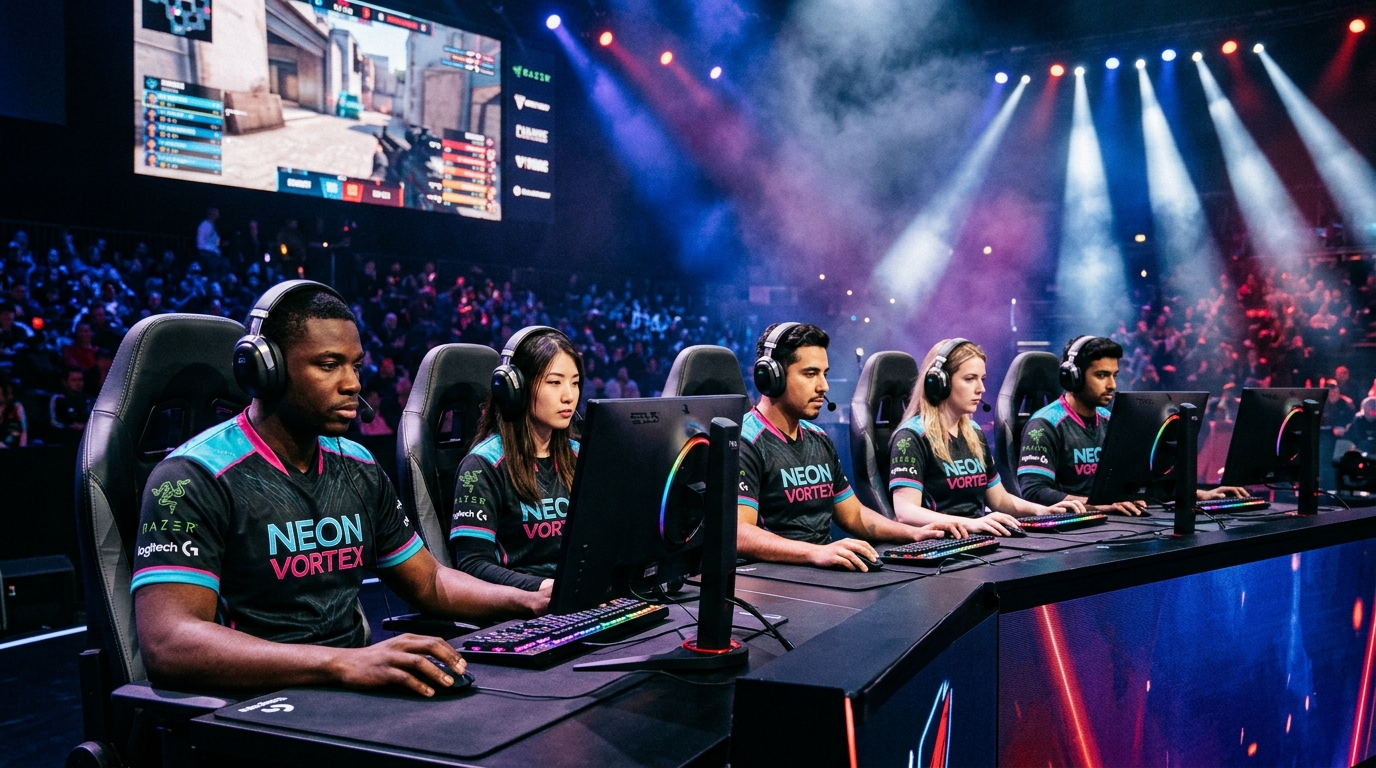
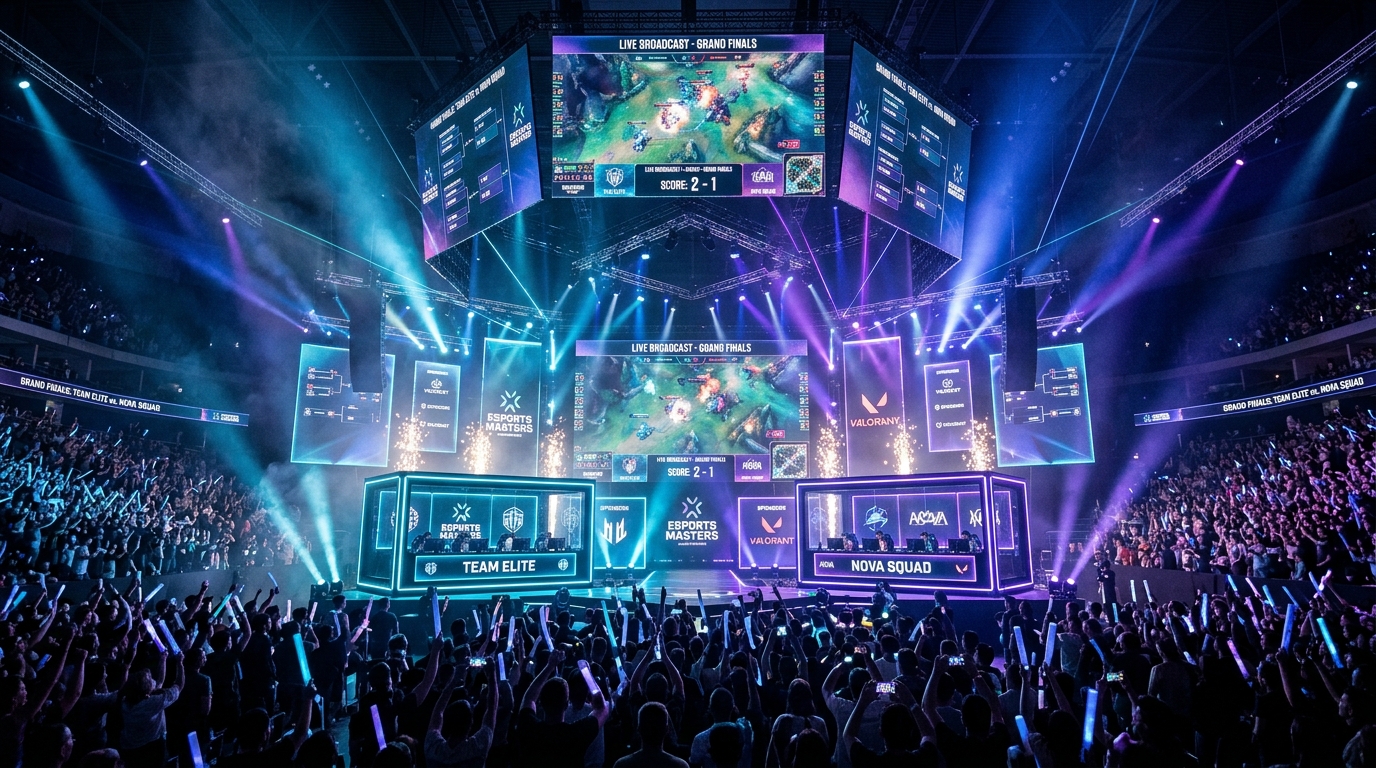
The roar of the crowd, the flash of the cameras, the thrill of victory — for millions of gamers worldwide, the dream of becoming a professional esports player isn’t just a fantasy; it’s a tangible, albeit challenging, career path. Gone are the days when gaming was merely a hobby; today, competitive gaming stands as a multi-billion dollar industry, offering glory, significant prize pools, and legitimate salaries to its top-tier athletes. But how does one navigate the complex, high-stakes world of esports to turn a passion for gaming into a professional career? If you’re a serious gamer wondering what it takes to “go pro,” you’ve come to the right place. This comprehensive guide will break down the journey, offering actionable tips, insights, and a realistic look at what it truly means to be a professional gamer.
The Reality of Going Pro: More Than Just Gaming Skill
Before you commit thousands of hours to practice, it’s crucial to understand the landscape. Becoming a professional gamer is often compared to becoming a professional athlete or musician — the talent pool is vast, the competition is fierce, and only a tiny fraction of hopefuls ever reach the pinnacle of their respective fields. This isn’t to discourage you, but to set a realistic expectation.
Is a Professional Gaming Career Right for You?
- Spend 8-12 hours a day, every day, practicing, reviewing, and strategizing?
- Consistently perform under extreme pressure with thousands, or even millions, watching?
- Prioritize your game above many other life aspects, including social events and sometimes even education?
- Handle defeat, criticism, and team conflicts constructively?
Understanding the Esports Ecosystem
Mastering Your Craft: The Foundation of Pro Gaming
At the heart of every professional gamer is an exceptional understanding and execution of their chosen game. This goes far beyond casual play; it requires a scientific, analytical approach to skill development.
Choosing Your Game Wisely
This is perhaps your first critical decision. You need to pick a game with a robust, established esports scene that genuinely resonates with you. While passion is paramount, competitive viability is key. Look for games that have:
- Large Player Base: More competition, but also more opportunities and infrastructure.
- Developer Support: Regular updates, balance patches, and direct investment in the esports scene.
- Established Tournament Circuits: Clear pathways from amateur to professional play.
- Longevity: Games that have maintained popularity over several years are generally safer bets.
Examples include League of Legends, Dota 2, Counter-Strike 2, Valorant, Call of Duty, Apex Legends, Fortnite, and various fighting games like Street Fighter 6 or Tekken 8. Playing a niche game might limit your opportunities, regardless of your skill. Competitive players frequently analyze esports tournament circuit to sharpen their tactical fundamentals.
Dedicated Practice: Beyond Casual Play
Professional practice is highly structured and analytical. It’s about purposeful improvement, not just grinding games. Think of it like an athlete’s training regimen.
- Structured Routines: Develop a daily schedule that includes warm-ups, focused drills (aim maps, last-hitting practice, specific combos), scrims (practice matches against other teams), and cool-downs.
- VOD Review (Video on Demand): This is non-negotiable. Record your own gameplay and critically analyze your decisions, positioning, utility usage, and mistakes. Watch professional players’ VODs to understand optimal strategies and execution. Many pros spend as much time reviewing as they do playing.
- Meta-Game Analysis: Stay constantly updated on game patches, character/weapon balance changes, and evolving strategies. Understand what compositions and tactics are currently dominant and why.
- Communication & Teamwork: For team-based games, practice clear, concise, and effective communication. Develop synergy with your teammates through consistent play and strategic discussions.
- Learning from Mistakes: Every loss is a learning opportunity. Identify what went wrong, why, and how to prevent it in the future. Don’t just brush it off.
Developing Advanced Gaming Skills
Pro players excel in several key areas:
- Mechanics: Raw input skill — aim, reaction time, precise execution of abilities or commands. This is honed through repetition and targeted drills.
- Game Knowledge: Deep understanding of character matchups, item builds, map layouts, timings, economy, and objective control.
- Decision-Making: The ability to make optimal choices under pressure, often with incomplete information, that lead to strategic advantages. This includes knowing when to engage, disengage, rotate, or commit resources.
- Adaptation: The capacity to adjust your playstyle, strategy, or champion pool in response to opponent’s tactics, new patches, or shifting team dynamics.
- Role Mastery: Whether you’re an in-game leader (IGL), entry fragger, support, or carry, understanding and excelling in your specific role is crucial.
Building Your Profile and Gaining Recognition
Skill alone isn’t enough; you need to prove your skill and make yourself known within the competitive scene. This is where your “esports resume” comes into play.
Climbing the Ranked Ladder
Competing in Tournaments (Online & Local)
Once you’re consistently performing at a high level in ranked play, start seeking out competitive opportunities beyond the ladder:
- Grassroots & Amateur Leagues: Platforms like Faceit, ESEA, Battlefy, and community-run leagues offer structured competitive environments where you can test your skills against other aspiring pros.
- Local LANs: If available, attending local area network (LAN) tournaments can provide invaluable experience playing under pressure, networking, and potentially catching the eye of local teams or scouts.
- Online Opens/Qualifiers: Many major tournaments have open qualifiers or feeder tournaments. These are your chances to compete against established semi-pro and even some pro teams.
Winning or performing well in these tournaments builds your competitive resume and proves you can perform in high-stakes environments.
Networking and Team Building
- Complementary Skill Sets: Ensure roles are filled effectively.
- Good Chemistry: The ability to communicate, collaborate, and resolve conflicts.
- Shared Goals: Everyone should be equally committed to going pro.
Attending events, even as a spectator, can also be a great way to network within the scene. Understanding current shifts in building esports teams provides a meaningful edge during high-stakes sessions.
Leveraging Content Creation and Streaming (Optional, but Recommended)
- Showcase Your Skills: Live gameplay demonstrates your abilities to a wider audience, including potential scouts.
- Build a Brand: A strong personal brand can attract sponsorships and fans, making you a more appealing prospect for esports organizations.
- Develop Communication Skills: Interacting with an audience helps refine your communication, crucial for team play and media appearances.
- Generate Income: Streaming can provide a supplementary income stream, helping to support your journey when professional salaries aren’t yet available.
Think of it as diversifying your “esports portfolio.”
The Professional Mindset: Beyond the Game
Raw talent gets you in the door, but a professional mindset keeps you there. This encompasses mental fortitude, physical well-being, and exemplary interpersonal skills.
Mental Resilience and Pressure Management
The esports environment is incredibly high-pressure. You will face:
- Losses and Slumps: Every pro player experiences defeat and periods of poor performance. The ability to bounce back, learn, and maintain confidence is crucial.
- Toxicity: Both within your team and from the community, you’ll encounter negativity. Developing thick skin and focusing on constructive feedback is key.
- Performance Anxiety: Playing on stage or in high-stakes matches can be nerve-wracking. Techniques like mindfulness, meditation, and working with sports psychologists (increasingly common in esports) can help manage this.
- Burnout: The intense schedule and pressure can lead to burnout. Recognizing the signs and having strategies for self-care are vital for career longevity.
A positive mental attitude and the ability to learn from failures are more valuable than pure skill in the long run.
Physical Health and Well-being
While esports isn’t physically demanding in the traditional sense, maintaining peak physical condition is essential for cognitive performance, reaction time, and preventing injuries.
- Ergonomics: Invest in a proper gaming setup — comfortable chair, ergonomic keyboard/mouse, correct monitor height — to prevent repetitive strain injuries (RSI) like carpal tunnel syndrome.
- Exercise: Regular physical activity improves blood flow to the brain, reduces stress, and boosts overall energy levels. Even short breaks for stretching or a quick walk can make a difference.
- Diet & Hydration: A balanced diet fuels your brain and body, while staying hydrated prevents fatigue and maintains focus. Avoid excessive junk food and sugary drinks.
Many top esports organizations now employ fitness coaches, nutritionists, and chefs to support their players’ holistic well-being. Dedicated participants often coordinate through setting gaming goals to maintain long-term competitive consistency.
Communication and Teamwork Skills
- Give Clear Callouts: Concise, timely, and accurate information relay is critical during intense moments.
- Receive Feedback: Be open to constructive criticism from teammates and coaches.
Professionalism and Brand Management
- Sponsor Relations: Understand your obligations to sponsors and represent their brands positively.
Navigating the Professional Path: From Amateur to Pro
Getting Scouted and Joining an Organization
- Exceptional Skill: This is obvious.
- Potential for Growth: Are you coachable? Do you have room to improve?
- Attitude: Are you a positive influence? Do you handle pressure well? Are you drama-free?
- Team Fit: How well do you integrate with existing team members?
- Marketability: Do you have a good public image? Can you attract fans?
The Role of Esports Agents
- Negotiate Contracts: Ensuring fair pay, terms, and conditions.
- Find Sponsorships: Connecting you with brands for personal endorsements.
- Career Guidance: Advising on career moves, team changes, and future opportunities.
- Legal Support: Reviewing legal documents and protecting your interests.
It’s generally wise to seek legal counsel for any contract, even without an agent.
Financial Realities of an Esports Career
The financial aspect of esports is varied. While top-tier players in major titles can earn millions through salaries, prize money, and streaming, the vast majority earn much less. For sustained progression, checking regular updates on tournament prize pools helps refine in-game decision making.
Career Longevity and Post-Pro Options
- Decreased Reaction Time: While minimal, some cognitive abilities slightly decline with age.
- Burnout: The intense schedule and pressure can be unsustainable long-term.
- Injury: RSIs can unfortunately cut careers short.
However, the esports ecosystem offers numerous opportunities for retired players:
- Coaching or Analysis: Leveraging their deep game knowledge and experience.
- Casting/Commentary: Using their public speaking skills and game insights to entertain.
- Content Creation/Streaming: Transitioning to a full-time influencer role.
- Game Development: Applying competitive insights to game design.
- Esports Management/Organization Roles: Working behind the scenes in marketing, operations, or talent scouting.
Planning for your post-pro career is a smart move, even early on.
Actionable Steps to Start Your Journey Today
Feeling inspired? Here’s a checklist to begin your path to professional gaming:
- Commit to One Game: Choose wisely and pour all your competitive energy into it.
- Network Constantly: Connect with other players, coaches, and community figures. Be respectful and professional.
- Be Patient & Persistent: The path is long and arduous. Success rarely happens overnight.
Frequently Asked Questions
The modern pathway begins by achieving top-percentile ranks on public ladders, forming a dedicated five-stack for amateur open qualifiers, competing in regional collegiate or Tier-3 circuits, and compiling verified VOD clips for scout reviews.
Solo queue grinding often reinforces unconscious mistakes through repetitive autopilot play. A certified coach analyzes replays to uncover systemic positioning flaws, rotational inefficiencies, and macro communication deficits that numbers-based stats alone cannot convey.
Consistent scheduling, designated role specializations, established callout protocols, and structured post-scrim review sessions. Teams that separate emotional frustration from objective tactical analysis develop superior resilience during tournament elimination brackets.
Prize distribution formulas typically award 40% to 50% to the champion team, tapering down across the top 8 or 16 finishers. Organizations often establish player contracts detailing whether prize earnings are split directly among the roster or offset operational expenses.